
Ensuring Safety and Accountability with Facility Key Management Techniques
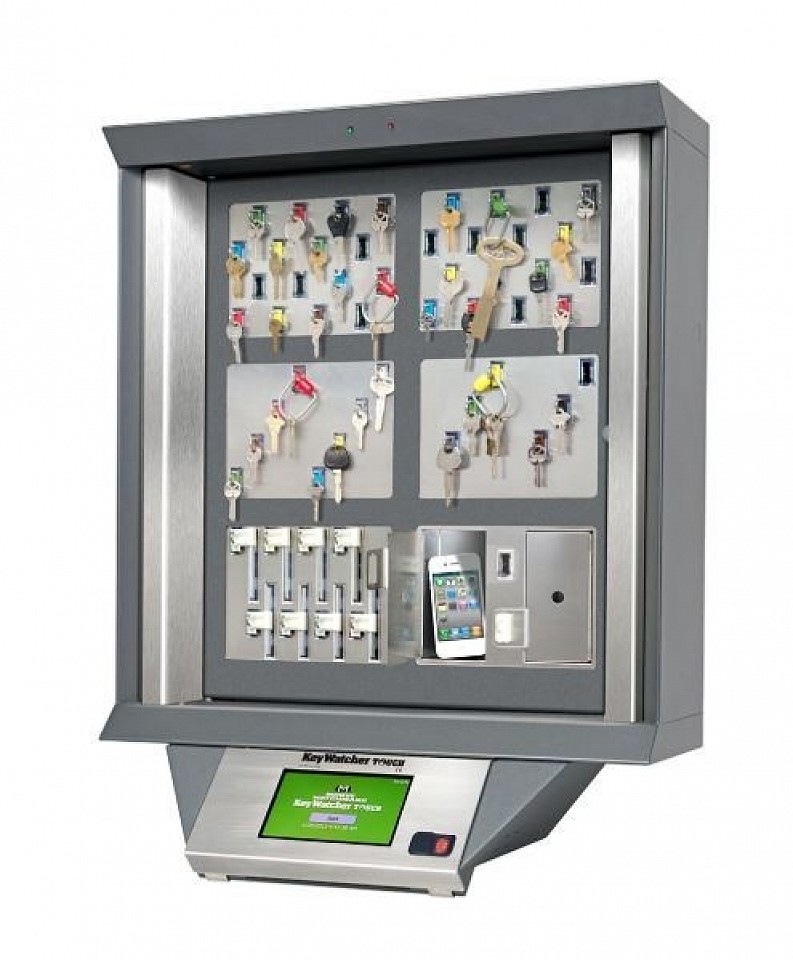
In today’s complex business and industrial environments, controlling access to sensitive areas is more critical than ever. Facility key management plays a central role in maintaining both security and accountability, ensuring that only authorized personnel have access to restricted spaces. Companies and institutions cannot afford lapses in security, whether due to misplaced keys, unauthorized access, or inefficient tracking systems. For businesses across Australia, adopting effective key management strategies is no longer optional—it is essential for safeguarding assets, personnel, and information.
Effective facility key management begins with understanding the importance of structured control over physical access. Keys are more than just metal objects; they are instruments of trust and responsibility. When mismanaged, keys can become a major security risk, leaving facilities vulnerable to theft, vandalism, or data breaches. Therefore, organizations must implement a comprehensive system that not only stores keys securely but also monitors their usage, ensuring a clear record of who accessed specific areas and when.
One of the most important techniques in facility key management is the use of centralized key control systems. These systems provide a single point of oversight, allowing managers to monitor key allocation and usage in real time. Centralized systems often include secure storage cabinets with controlled access, electronic key tracking, and reporting features. By consolidating key management, organizations reduce the risk of lost or unaccounted keys and improve response times when security incidents occur. Centralized systems also create a clear audit trail, providing valuable documentation for compliance and accountability purposes.
Accountability is a cornerstone of modern key management. Simply knowing where keys are is not enough; organizations need to know who has them at any given moment. Advanced key management systems allow managers to assign keys to individual users and track their movements throughout the day. This not only deters unauthorized access but also ensures that personnel understand the responsibilities associated with the keys they hold. In high-security environments, this level of accountability can prevent internal theft or accidental breaches that could compromise sensitive information.
In addition to electronic tracking, physical security measures remain crucial in facility key management. Secure storage solutions such as lockable cabinets, tamper-proof key boxes, and restricted access rooms provide a first line of defense against unauthorized key access. The combination of physical safeguards and digital tracking creates a layered security approach, reducing the likelihood of theft or misuse. Moreover, regular audits of key inventory help organizations identify potential gaps or irregularities before they escalate into serious problems.
Technology is rapidly transforming facility key management, making it easier to implement efficient, secure, and accountable systems. Modern solutions include smart key cabinets that integrate with access control software, allowing managers to assign temporary access to contractors or visitors without compromising security. Biometric authentication can add an additional layer of protection, ensuring that keys are only accessible to the authorized individual. With these innovations, businesses can maintain tight control over critical areas while simplifying administrative tasks associated with key tracking.
Training and employee awareness are equally vital in any key management strategy. Staff members must understand the security protocols in place and the consequences of violating them. Clear policies regarding key handling, reporting lost or stolen keys, and returning keys after use help foster a culture of responsibility. Regular training sessions and updates on best practices can reinforce these principles, ensuring that all personnel recognize the importance of facility key management in maintaining safety and operational integrity.
Another essential aspect of facility key management is contingency planning. Even the most secure systems are not immune to human error or unforeseen circumstances. Organizations must establish procedures for quickly responding to lost or stolen keys, including deactivating compromised access points and updating tracking records. By preparing for these scenarios, businesses minimize downtime, prevent unauthorized entry, and maintain confidence in their security measures.
For organizations with multiple sites or complex access requirements, scalable key management solutions are particularly beneficial. Centralized management software can oversee multiple locations from a single interface, providing real-time data and comprehensive reporting. This ensures consistency in security practices across the organization and enables rapid identification of irregular access patterns or potential threats. Scalable solutions also simplify the integration of new locations or additional users, making facility key management adaptable to the growth and evolution of the business.
In conclusion, facility key management is a fundamental component of organizational security, providing both protection and accountability. By combining secure physical storage, advanced electronic tracking, robust policies, and employee training, businesses can safeguard assets, prevent unauthorized access, and maintain a culture of responsibility. Modern technology enhances these efforts, offering scalable, efficient, and secure solutions that meet the demands of today’s complex facilities. Companies like KeyWatcher Australia are at the forefront of providing practical, reliable key management systems near me that help organizations across Australia protect their premises and maintain operational integrity. Adopting a strategic approach to facility key management is not merely a best practice; it is a necessity for ensuring safety, accountability, and peace of mind in any professional environment.
Check out related articles on our blog: airport key management